

Topic overview
ETFE projects must align with applicable structural wind and snow codes, fire regulations and material test frameworks.
ETFE engineering standards
ETFE compliance is assembly-specific — this guide explains how structural, fire and weather requirements are mapped to tested details without inventing code ratings or generic certifications.
Introduction
Learn how AAKS aligns ETFE projects with applicable structural codes, fire strategies and manufacturer test data — and why verified system reports matter more than material marketing claims.
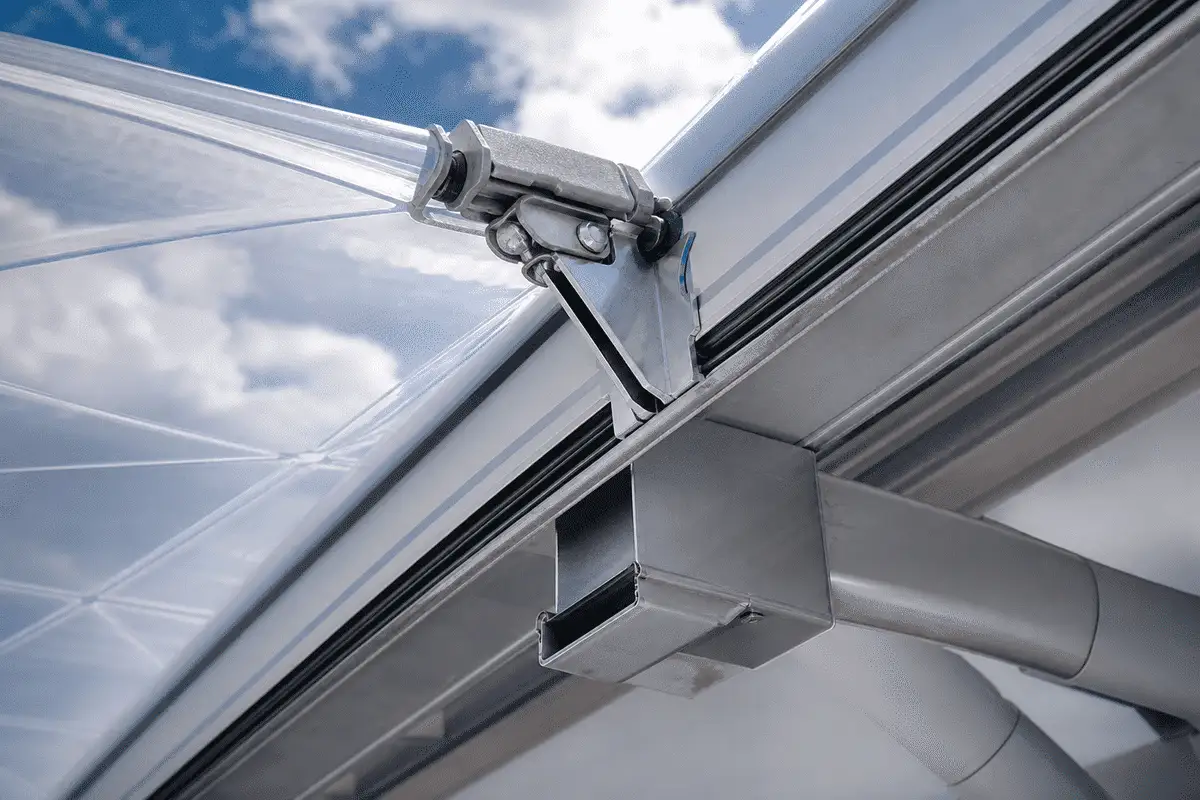
ETFE projects must align with applicable structural wind and snow codes, fire regulations and material test frameworks.
Use manufacturer test reports for the specific cushion or foil assembly — not unrelated product lines.
International projects require early identification of jurisdiction and approved test evidence.
Engineering
AAKS aligns delivery with agreed specifications and provides typical guidance; certified values issue per project when available.
Do not invent Euroclass, ASTM or NBC ratings on public pages — offer compliance support instead.
Standards compliance is demonstrated through tested systems, QA records and engineer-of-record approval.
Maintain traceability from film batch to installed module for audit and warranty purposes.
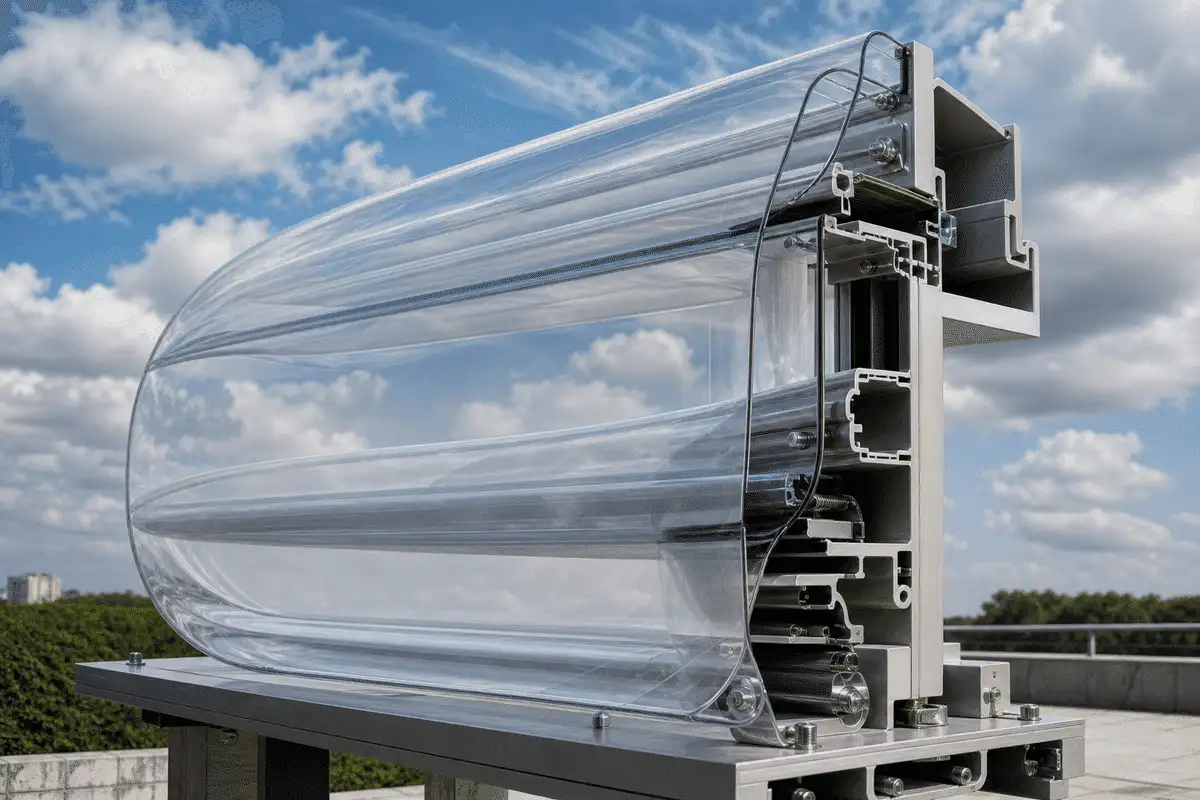
Specifications
Publish only values confirmed in knowledge docs. Use TBD where not approved.
| Parameter | Typical guidance | Notes |
|---|---|---|
| Topic focus | ETFE Engineering Standards | Engineering guide |
| Material | ETFE fluoropolymer | System dependent |
| Typical light transmission | Up to ~95% | Clear film |
| Service life guidance | Often 25–35+ years | Maintenance dependent |
| Weather resistance | Excellent typical behaviour | Detail critical |
| Fire performance | Tested assembly specific | No generic rating |
| Structural design | Project engineered | Wind & snow inputs |
| Data confirmation | Manufacturer sheets required | Contact AAKS |
Values shown are typical or manufacturer-dependent. Confirm project-specific data sheets and tested assemblies before specification. AAKS does not publish uncertified U-values, fire ratings or warranty claims.
Design
Design teams should integrate ETFE engineering standards early with architecture, structure, MEP and façade consultants.
Establish performance priorities — daylight, thermal comfort, acoustics, fire, access — before fixing geometry. Early ETFE input improves cost and programme certainty.
Load cases, foil patterning, clamp layouts and inflation schematics (if cushions) follow from planning decisions. Use verified manufacturer data for the chosen build-up.
Film gauges, layer roles, optional print/frit and hardware alloys are selected for environmental exposure and maintainability — not generic catalogue defaults.
Detailing must protect foils during construction, maintain drainage falls, and sequence inflation commissioning safely for cushion systems.
Benefits
ETFE Engineering Standards supports lighter structures, faster installation and luminous interiors when engineered correctly.
Strong ETFE engineering standards understanding helps teams leverage ETFE's high light transmission, weather durability and flexible form-making without overclaiming uncertified numbers.
Reduced steel, faster programmes and lower cleaning burden can improve lifecycle economics — subject to project-specific engineering and local costs.
Replaceable modules, typical 25–35+ year service-life guidance and stable UV behaviour support durable architectural identity when maintained.
Constraints
Honest constraints around ETFE engineering standards prevent specification errors and unsafe assumptions.
Acoustic rain noise, thermal targets without layer strategy, pollution in low-rain climates, and access for inspection require explicit design responses.
Fire ratings, thermal values and hail performance are assembly-specific — never assume one material claim covers all jurisdictions or roof types.
Common mistakes: late ETFE adoption, ignoring drainage, under-specifying maintenance access, or copying thicknesses from unrelated projects.
Delivery
Installation quality directly affects ETFE engineering standards outcomes on site.
Verify primary steel or cable net tolerances, fixings and interface substrates before membrane installation.
Receive cushions or foil panels with QA records; store protected from sharp objects and contamination.
Install clamps, keders or frames per shop drawings; complete weather interfaces to adjacent trades.
Apply design tension to single-layer foil or inflate cushions to specified pressure under supervision.
Calibrate sensors, test redundancy and confirm alarm logic for inflation systems where applicable.
Deliver O&M documentation, cleaning guidance and inspection intervals aligned with this topic.

Site teams must coordinate weather windows, fall protection and protection of installed foils until completion.
Best practice: specialist installers, staged inspection of seams and clamps, and photographic records for warranty and maintenance files.
Care
Maintenance preserves ETFE engineering standards benefits across the service life of the envelope.
Schedule visual inspections for soiling, seam integrity, clamp condition and inflation performance per O&M plan.
Clean when rain-wash is insufficient — use soft methods and approved detergents; avoid abrasive tools on film.
Assess punctures or loose edges promptly; modular cushions can often be repaired or replaced following protocols.
Intervals depend on pollution, slope and access — typical reviews annually with more frequent checks after extreme weather.
Compliance
Compliance for ETFE engineering standards follows applicable local codes and verified system tests — AAKS supports documentation, not generic certification claims.
International material and fire test frameworks may apply depending on project jurisdiction — confirm with the engineer of record.
Structural wind and snow codes, fire regulations and accessibility requirements govern detailing alongside film selection.
Use manufacturer test reports for the specific cushion or foil assembly — not unrelated product lines.
AAKS aligns delivery with agreed specifications and provides typical guidance; certified values are issued per project when available.
Compare
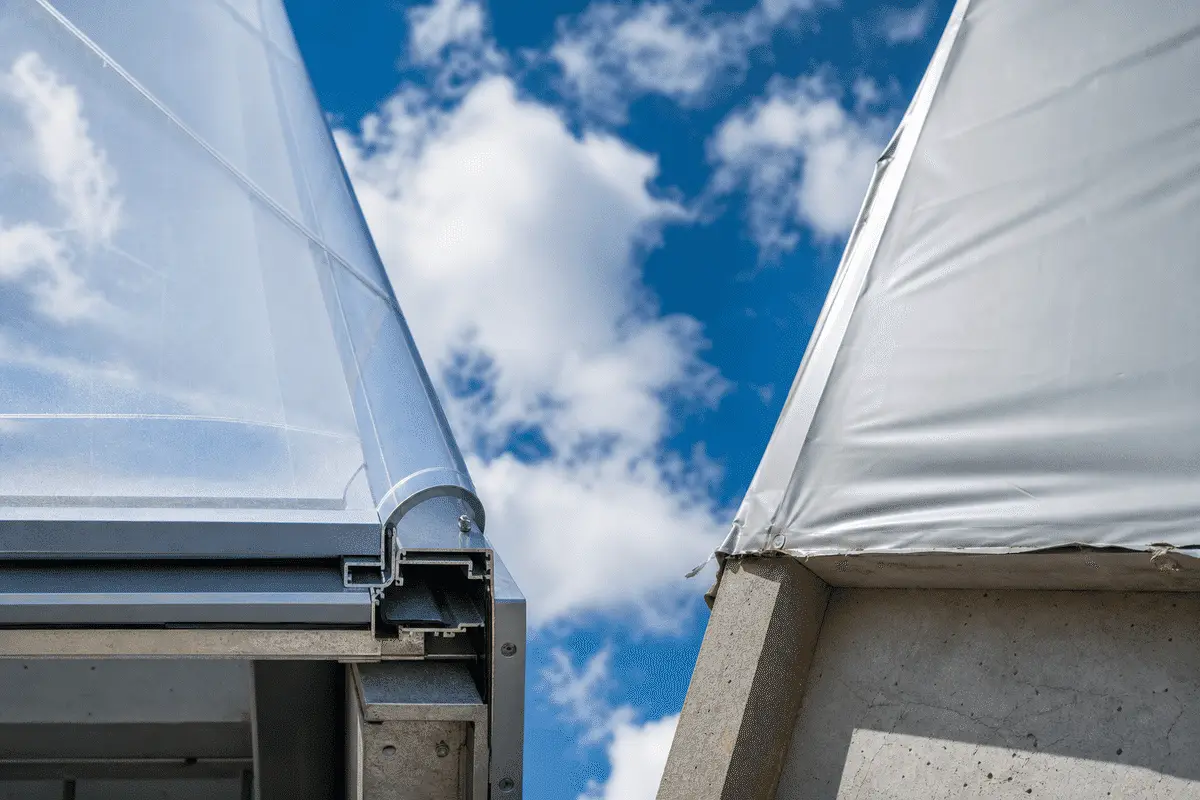
Qualitative comparison for ETFE engineering standards — confirm project-specific test data before specification.
| Criteria | ETFE tested assembly | Untested generic film |
|---|---|---|
| Weight | Very lightweight ETFE | Heavier alternative |
| Daylight | Up to ~95% transmission | Varies by material |
| Durability | Strong UV & weather typical | Material dependent |
| Structure demand | Lower steel typical | Higher mass support |
| Maintenance | Low typical; site dependent | Varies |
| Design flexibility | Freeform cushions | More constrained |
Products
Link only to live product pages that apply to this topic.
Sectors
Map to sector clusters in knowledge/INTERNAL_LINKING_RULES.md.
Case studies
Library
Sibling guides — replace tokens with live article paths when published.
Insights
Visuals
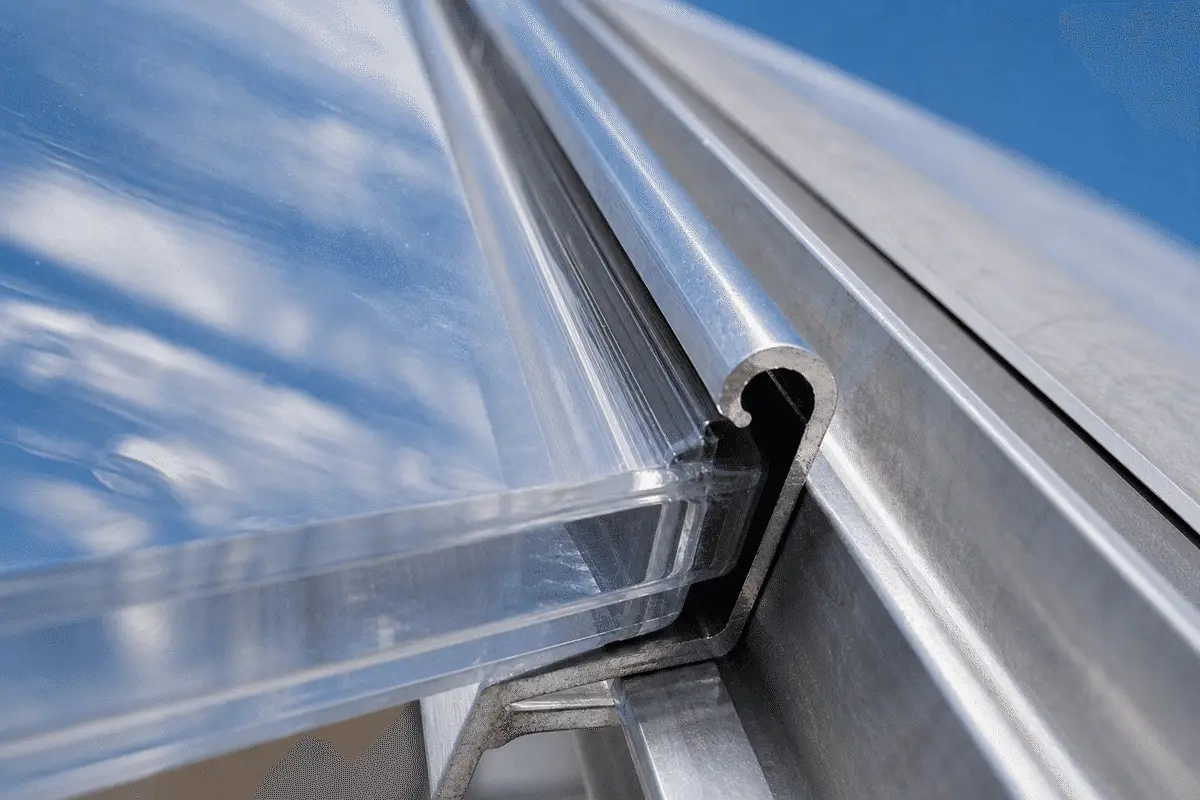
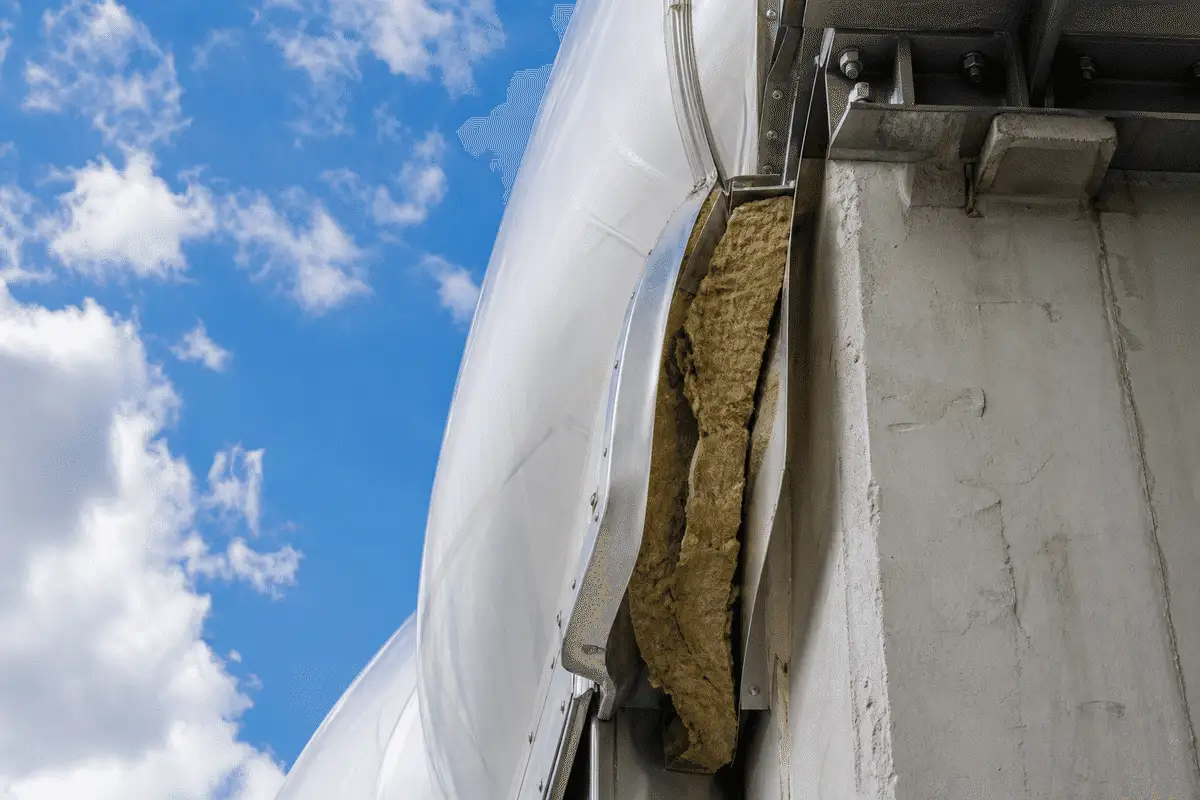
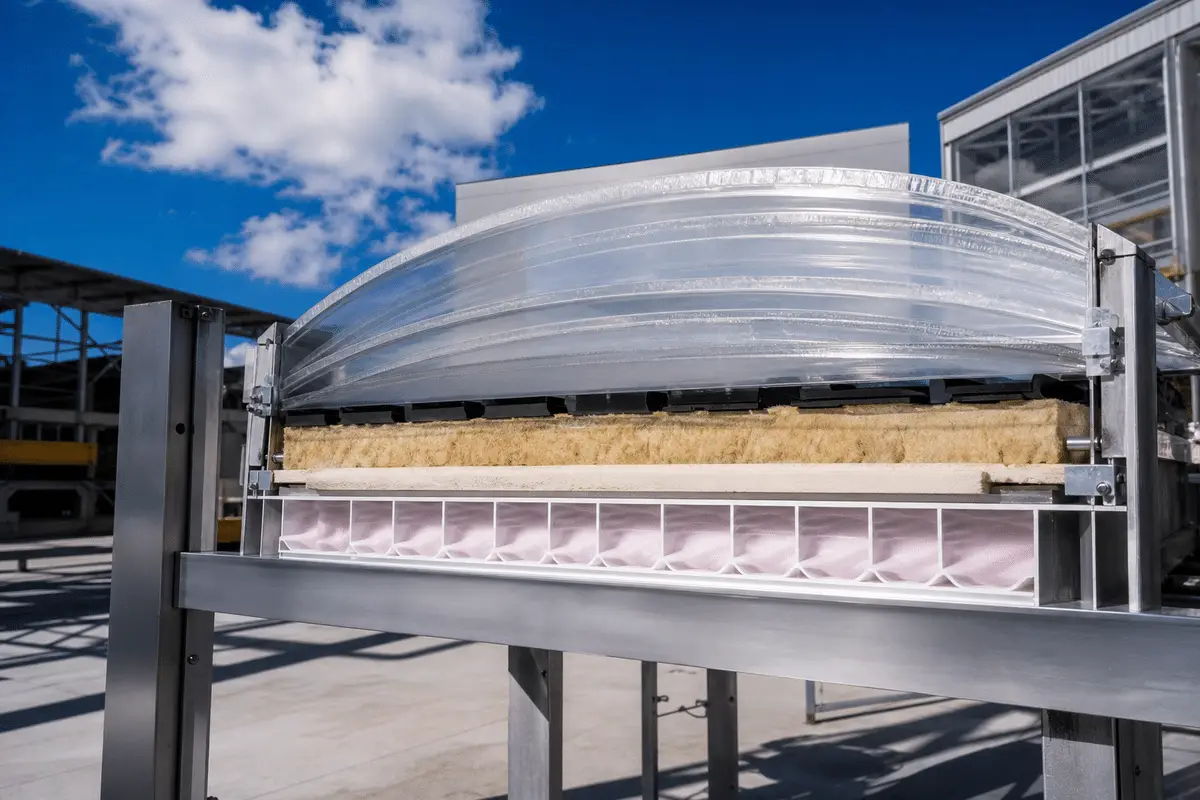
Unique visuals for this article only — do not reuse across pages.



FAQ
Align answers with knowledge/FAQ.md and topic knowledge files.
No. Requirements vary by jurisdiction. ETFE systems must be engineered to local structural, fire and weather codes using tested assemblies where required.
Fire performance depends on the tested system and local codes. AAKS designs to applicable requirements and can support compliance documentation — not invented Euroclass or NBC labels.
Manufacturer data sheets, weld specifications, inflation schematics, structural calculations and system test reports confirmed for the project build-up.
The structural engineer of record coordinates wind, snow and seismic cases with the ETFE specialist's membrane and cushion calculations.
Local design wind speed, terrain category and snow load maps feed cushion geometry, cable prestress and primary structure sizing.
Project-specific or manufacturer test data may be supplied when available and approved for external sharing — generic catalogue claims are avoided.
Material certificates, seam inspection logs, pressure commissioning reports and watertightness reviews form the handover pack.
Fan redundancy, sensor calibration, alarm logic and power strategy are recorded at commissioning for authority and client review.
No. Membrane behaviour, edge clamps and inflation differ from rigid glazing — use ETFE-specific performance language.
Film grade, gauge, print and hardware changes should trigger re-review against the approved test assembly.
Daylighting and lightweight structures can support sustainability narratives, but credits depend on the whole building model — not ETFE alone.
Send jurisdiction, fire strategy and performance brief to AAKS via contact-us.html for engineering alignment.
Share your drawings and performance priorities with AAKS Architecture — we will help align ETFE system selection, detailing and delivery.